How to Unclog a Kitchen Sink Without Chemicals
Skip the harsh drain chemicals. Learn how to unclog a kitchen sink without chemicals in Lancaster OH using safe, effective methods that protect your pipes.
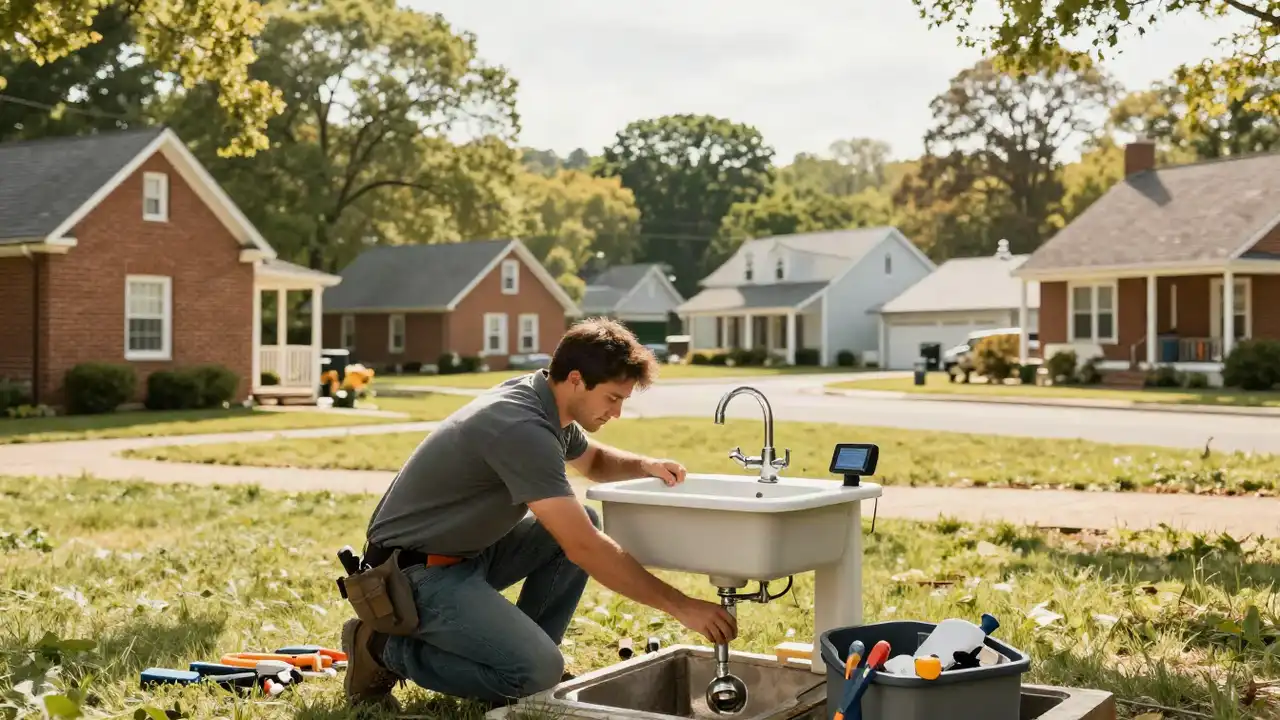
You can unclog a kitchen sink without chemicals by using a plunger, a drain snake, or a baking soda and vinegar flush-methods that are safer for your pipes and the environment. In Lancaster OH, where older homes often have cast iron or galvanized pipes, these natural approaches work just as well as store-bought cleaners when done correctly. This guide walks you through each method step by step, explains why chemical cleaners cause more harm than good, and tells you when it's time to call a professional.
Why Chemical Drain Cleaners Are a Bad Idea
Chemical drain cleaners are a bad idea because they can corrode pipes, damage septic systems, and pose serious health risks. Most contain sodium hydroxide or sulfuric acid-substances that generate heat and can melt through PVC, eat away at cast iron, and create toxic fumes in enclosed spaces. In Lancaster OH, many homes built before 1980 still have original metal drain lines. Those pipes have already thinned over decades of use. Pouring acid down them is like throwing gasoline on a fire.
Beyond the damage, chemical cleaners rarely solve the root problem. They might burn a hole through a grease clog, but the grease often re-solidifies further down the line. You end up with a bigger blockage and a pipe that's now compromised. And if the clog is beyond the trap-say, in the main line-the chemical sits there, eating away at your plumbing while you wait for a plumber who now has to deal with a hazardous mess.
We've seen this play out across plumbing Lancaster OH homes for years. A homeowner pours a bottle of drain cleaner, it doesn't work, and by the time we arrive, the pipe is etched and the clog has moved. Save yourself the headache and the repair bill.
Tools You Already Have (and What They Cost)
You don't need fancy equipment to clear a kitchen sink clog. Most of what you need is already in your kitchen or garage. Here's what to gather:
- Plunger (cup style, not flange) - $5-$15 at any Lancaster hardware store
- Drain snake (hand-crank, 15-25 feet) - $20-$40
- Baking soda and white vinegar - about $3 total
- Dish soap - any brand works
- Bucket and towels - for catching water
- Wet/dry vacuum (optional) - if you have one
If you don't own a drain snake, they're worth buying. A hand-crank model costs less than a single service call and will last for years. Just avoid the cheap plastic ones-they snap inside the pipe and create a bigger problem.
Method 1: Boiling Water and Dish Soap
Boiling water and dish soap is the gentlest method and works well for grease clogs. Start by removing as much standing water as you can with a cup or turkey baster. Then pour a generous squirt of dish soap down the drain-it helps break up grease. Follow with a pot of boiling water, pouring slowly in stages. Wait 5-10 minutes, then flush with hot tap water.
This method is safe for most pipes, but if you have PVC, use hot-not boiling-water. Boiling water can soften PVC joints over time. For metal pipes, boiling is fine. If the water drains slowly but doesn't stop completely, repeat the process two or three times.
We recommend this as your first attempt because it's free and takes five minutes. If it doesn't work, move on to the next method.
Method 2: Baking Soda and Vinegar
Baking soda and vinegar create a fizzing reaction that can loosen light clogs and deodorize the drain. Pour half a cup of baking soda down the drain, followed by half a cup of white vinegar. Cover the drain with a plug or a rag to trap the reaction. Let it sit for 15-30 minutes, then flush with hot water.
This method works best for organic buildup-food particles, soap scum, and minor grease. It won't clear a solid block of fat or a foreign object. But as a maintenance routine, it's excellent. Many of our customers in Lancaster OH use this once a month to keep their drains smelling fresh and flowing freely.
If you have a double sink, treat both sides. The clog is often on the side you use less, and the reaction needs to reach it.
Method 3: Plunger and Drain Snake
A plunger and drain snake are the most effective DIY tools for stubborn clogs. Start with the plunger. Make sure there's enough water in the sink to cover the cup. Block the other drain (if you have a double sink) with a wet rag. Plunge vigorously for 15-20 seconds, then pull up sharply. Repeat 5-10 times.
If that doesn't work, it's time for the drain snake. Remove the P-trap first-place a bucket underneath, unscrew the slip nuts, and clean out any debris. Then feed the snake into the drain line. Crank it clockwise as you push. When you feel resistance, crank harder to break through or hook the clog. Pull it out slowly and wipe it clean.
For kitchen sinks, the clog is usually within the first 10-15 feet of the drain. A 25-foot snake is more than enough. If you hit a solid stop that won't budge, stop-you might be dealing with a collapsed pipe or a root intrusion. That's when you call us for drain cleaning Lancaster OH.
Method 4: Wet/Dry Vacuum
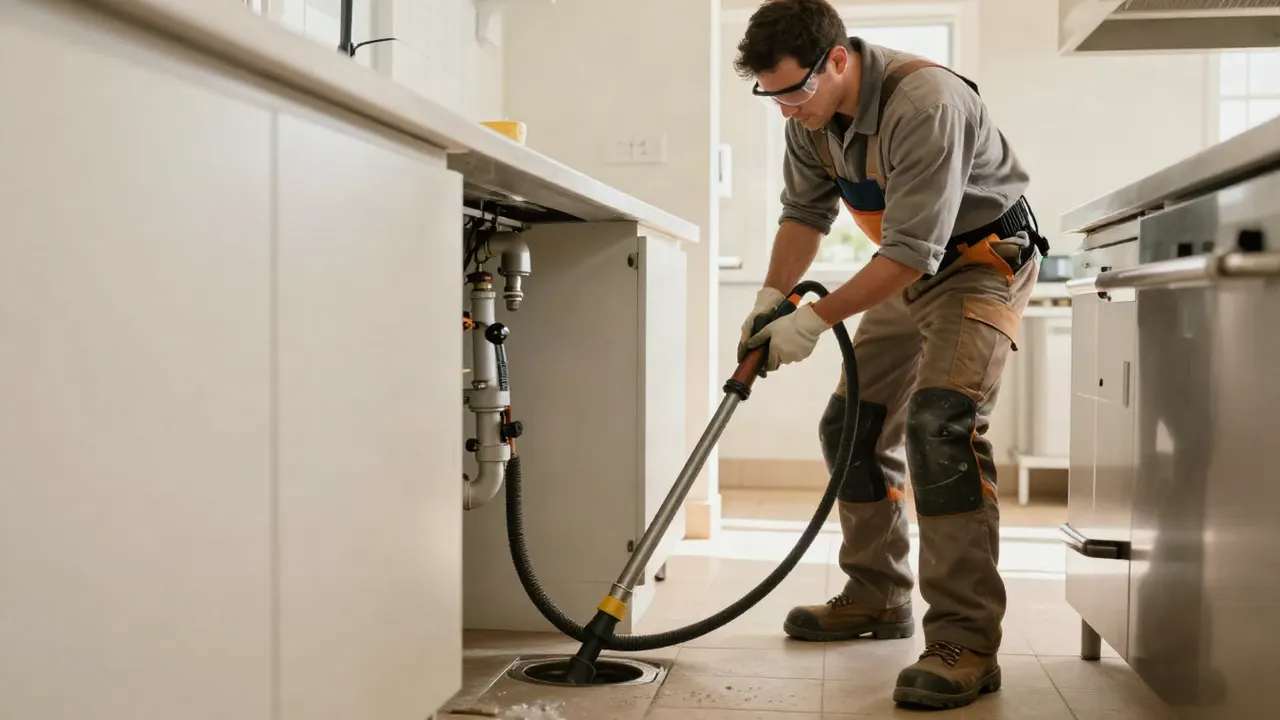
A wet/dry vacuum can pull a clog out of the trap if it's loose enough. Remove the drain stopper and any visible debris. Set your vacuum to liquid mode. Seal the hose against the drain opening with a rag or your hand. Turn it on for 10-15 seconds. The suction often pulls the clog up into the vacuum.
This method is messy but effective for soft clogs. If you have a shop vac, it's worth trying before you resort to a snake. Just be prepared to clean the vacuum afterward.
How to Prevent Future Clogs
Preventing clogs is easier than clearing them. In Lancaster OH, where many homes have older pipes, a few habits make a big difference:
- Never pour grease down the drain. Pour it into a can, let it solidify, and throw it in the trash.
- Use a mesh strainer. It catches food particles before they enter the drain.
- Run cold water while using the disposal. Cold water solidifies grease so it can be ground up and flushed away.
- Flush with hot water after each use. A 30-second hot water rinse keeps things moving.
- Do a baking soda and vinegar treatment monthly. It's cheap insurance.
If you have a septic system, be extra careful. Grease and food particles are the leading cause of septic backups. For homes on well water or septic, we often recommend a plumbing maintenance plan Lancaster OH that includes annual drain inspections.
Common Mistakes to Avoid
Even well-intentioned DIY efforts can go wrong. Here are the mistakes we see most often:
- Using a flange plunger on a kitchen sink. The flange is for toilets. Use a cup plunger instead.
- Pouring boiling water into PVC pipes. It can soften the joints and cause leaks.
- Mixing chemical cleaners. Never combine different drain cleaners-the reaction can be violent and toxic.
- Forcing a snake. If it won't go, don't force it. You'll scratch the pipe or break the cable.
- Ignoring a slow drain. A slow drain is a warning. Fix it before it becomes a full blockage.
We've repaired plenty of damage caused by these mistakes. A little patience saves a lot of money.
When to Call a Professional
Call a professional if you've tried two or three methods and the water still won't drain, or if you notice water backing up in other fixtures when you run the kitchen sink. That's a sign the clog is in the main line, not the trap. You should also call if you smell sewage, hear gurgling from other drains, or see water pooling around the base of the sink cabinet.
At Lancaster Hocking Flow Plumbing, we handle these situations every day. We use a video camera drain inspection Lancaster OH to see exactly what's blocking the line-grease, roots, scale, or a broken pipe-and then clear it with the right tool. Sometimes that's a hydro jetting Lancaster OH service, which scours the pipe walls clean. Other times it's a simple snake and flush. We'll tell you what's needed and what it costs before we start.
If you're in a older home in Lancaster-especially near the downtown historic district or along the Hocking River-your pipes may be original cast iron. Those lines are prone to scale buildup and root intrusion. A professional inspection can save you from a major backup.
Frequently Asked Questions
How do I unclog a kitchen sink without chemicals in Lancaster OH?
Start with a plunger or a baking soda and vinegar flush. If that fails, use a drain snake. For grease clogs, boiling water and dish soap often work. If none of these clear the drain within 30 minutes, call a professional.
What natural remedies unclog a kitchen sink in Lancaster Ohio?
Baking soda and vinegar, boiling water with dish soap, and a mixture of salt and hot water are the most common natural remedies. They work best on light grease and organic buildup. For solid clogs, a mechanical snake is more effective.
Does baking soda unclog a kitchen sink in Lancaster?
Baking soda can unclog a kitchen sink if the clog is caused by grease or soap scum. It won't clear a solid object or a main line blockage. Use half a cup of baking soda with half a cup of vinegar, let it sit 15-30 minutes, then flush with hot water.
When should I call a plumber for a clogged kitchen sink in Lancaster OH?
Call a plumber if you've tried two or three DIY methods without success, if water backs up into other drains, or if you smell sewage. These signs mean the clog is deeper in the system and needs professional equipment.
Get Help with Plumbing in Lancaster
If your kitchen sink is still clogged after trying these methods, our team at Lancaster Hocking Flow Plumbing is ready to help. We serve homes and businesses across Lancaster OH with fast, chemical-free drain clearing.
Call us at (740) 766-4111 to schedule a visit. We'll diagnose the problem, clear the clog, and make sure your drains flow like they should.