Why Is My Toilet Constantly Running?
A constantly running toilet is almost always a worn flapper or fill valve. Here's how to diagnose it in Lancaster OH, what repairs cost in 2026, and when to call us.
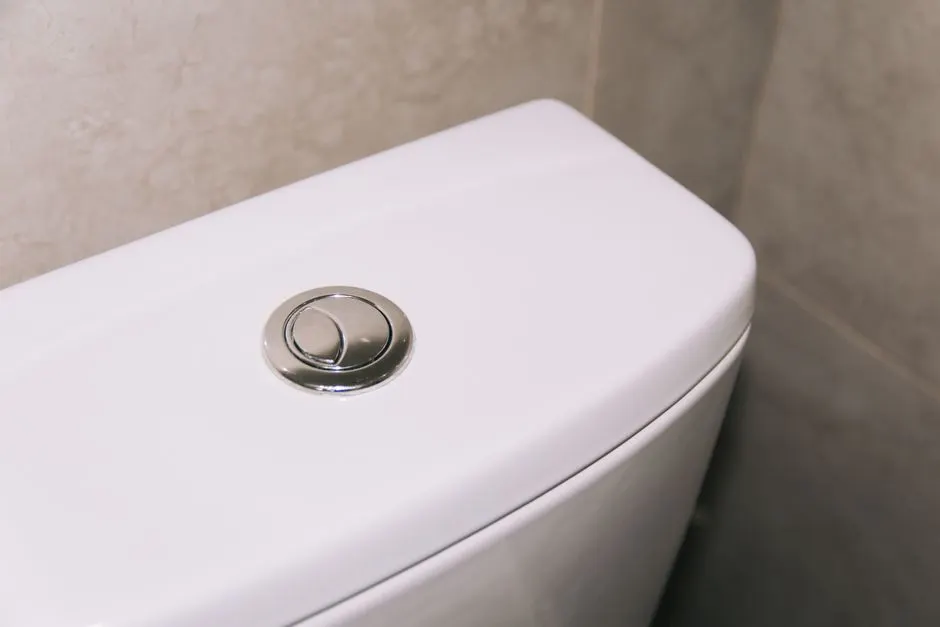
Your toilet is running because water is escaping the tank when it shouldn't - almost always through a worn flapper, a misadjusted fill valve, or a float set too high. In nine out of ten homes we visit, the culprit is a $6 to $15 rubber flapper that has hardened or warped and no longer seals against the flush valve seat. The rest of this article walks through every cause we see in Lancaster homes, how to test each one in under 15 minutes, what a repair costs in 2026, and when it's time to stop tinkering and call us.
Why is my toilet constantly running Lancaster OH is one of the most common searches we see from homeowners here, and for good reason: a single running toilet can waste 200 gallons of water a day. That's roughly 6,000 gallons a month on your Lancaster water bill. The good news is that most running toilets are a same-day fix, and you can often diagnose the problem yourself before you ever pick up the phone.
Why Is My Toilet Constantly Running in Lancaster OH?
A toilet constantly running in Lancaster OH happens when the tank keeps refilling after a flush because water is leaking past the flapper, past the fill valve, or through an overflow tube. The tank should fill once, shut off, and stay silent until you flush again. If you hear a hiss, a trickle, or a periodic "ghost flush" in the middle of the night, water is moving when it shouldn't.
Lancaster's water is moderately hard - around 8 to 10 grains per gallon depending on which well field supplies your neighborhood. That mineral content is hard on rubber parts. Flappers that would last five years in soft-water cities often fail in three here. If your home was built before 1995, you likely also have older brass fill valves with rubber diaphragms that stiffen over time. Both are cheap parts. Both cause the same symptom.
Here's the definitional version: a constantly running toilet is a plumbing fault in which the fill valve never fully shuts off because the flapper, float, or valve seal is no longer holding water in the tank. It's not a mystery. It's a mechanical failure of one of four parts, and each one has a distinct sound and test.
The Four Parts That Cause a Running Toilet
Every running toilet we repair in Lancaster traces back to one of four components inside the tank. Learning what each one does makes the diagnosis almost instant.
The flapper
The flapper is the rubber seal at the bottom of the tank that lifts when you press the handle and drops back down to hold water. When it hardens, warps, or gets a mineral crust on the sealing edge, water seeps past it continuously. This is the number one cause - probably 70% of the running toilets we see. A flapper costs $6 to $15 at any Lancaster hardware store and takes five minutes to swap.
The fill valve
The fill valve is the tall plastic tower that refills the tank after a flush. When its internal diaphragm wears out, it never fully closes, so you hear a constant hiss even when the tank is full. Fill valves run $12 to $25 and take about 20 minutes to replace. If your toilet is more than 10 years old and you're already replacing the flapper, replacing the fill valve at the same time is smart money.
The float
The float is the ball or cup that rides on the water level and tells the fill valve when to stop. If it's set too high, water spills into the overflow tube and down the drain 24/7. If it's cracked and taking on water, it sinks and the valve never shuts off. Adjusting a float is a 60-second job with a screwdriver.
The flush valve seat
The flush valve seat is the plastic or brass ring the flapper seals against. If it's pitted or mineral-crusted, even a brand-new flapper won't seal. You can sometimes clean it with a Scotch-Brite pad. If the seat is damaged, the tank usually needs a full rebuild kit or a new toilet.
How to Stop a Running Toilet in 15 Minutes
You can stop a running toilet in Lancaster Ohio in about 15 minutes with a screwdriver, a sponge, and a $10 flapper - as long as the problem is the flapper or float. Here's the sequence we walk homeowners through on the phone.
- Shut off the water. Turn the oval valve behind the toilet clockwise until it stops. Flush once to drain the tank.
- Test the flapper. Lift the flapper and look at the rubber. If it's stiff, cracked, or coated in white mineral scale, replace it. That's your problem.
- Check the chain. The chain from the handle to the flapper should have about half an inch of slack. Too tight holds the flapper open. Too loose tangles under it.
- Adjust the float. If the water level sits above the overflow tube, lower the float until the waterline is about an inch below the top of the tube.
- Turn the water back on and listen. Give it 10 minutes. If it's silent, you're done. If it's still hissing, the fill valve is the next suspect.
If you'd rather not crawl around behind the toilet on a Saturday morning, our team handles toilet installation and repair Lancaster OH as a same-day service. We carry flappers, fill valves, and complete rebuild kits on every truck, so most running toilets are fixed in a single visit.
What a Running Toilet Costs You in Lancaster
A running toilet costs Lancaster homeowners real money every single day it's left alone. A steady trickle wastes 30 to 50 gallons a day. A full-flow leak - the kind where you can hear water moving constantly - wastes 200 gallons a day or more. At Lancaster's 2026 municipal water and sewer rates, that's roughly $15 to $60 added to your monthly bill depending on the severity.
Here's what repairs look like in 2026 pricing for this area:
- DIY flapper replacement: $6 to $15 in parts, 5 minutes of your time.
- DIY fill valve replacement: $12 to $25 in parts, 20 minutes.
- Professional running toilet repair: $125 to $225 for the visit, including parts.
- Full toilet rebuild (flapper, fill valve, flush valve, handle): $200 to $325.
- New toilet installed: $350 to $800 depending on the model and any flange work.
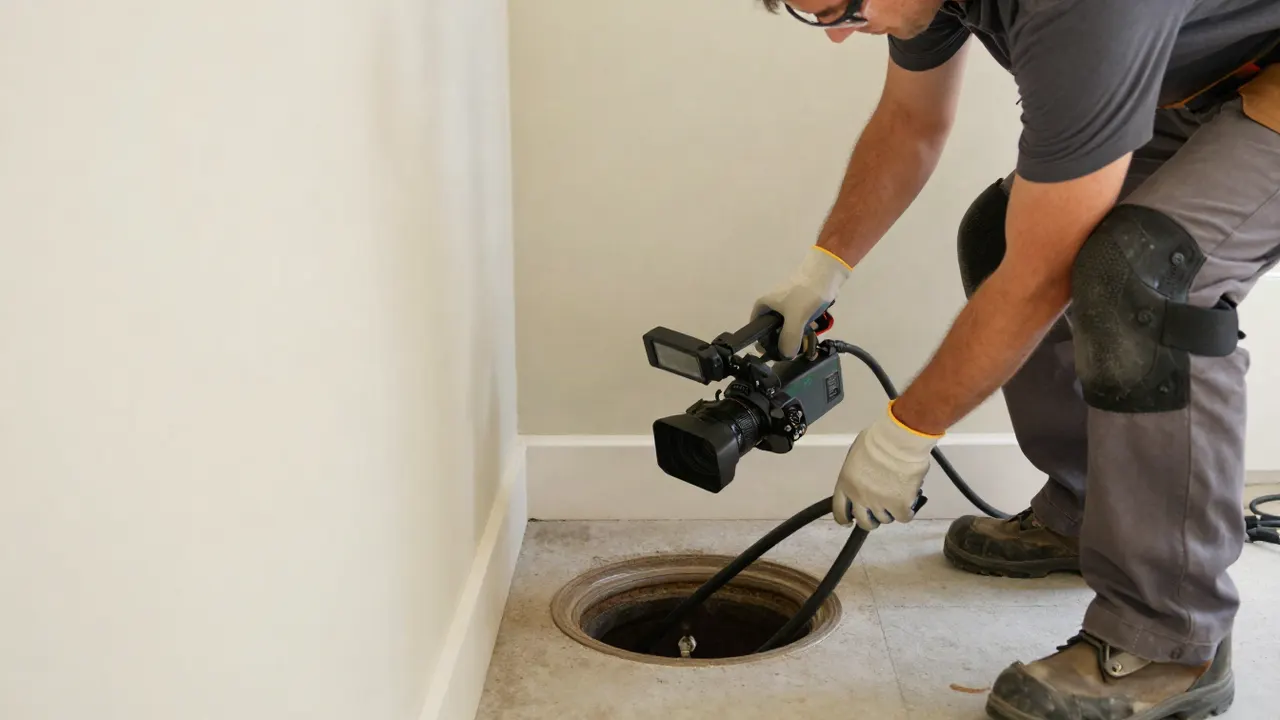
Do the math on that. A $150 repair pays for itself in two to three months of avoided water waste. If you're also noticing slow drains or gurgling in other fixtures, the problem may be bigger than the toilet - our drain cleaning Lancaster OH team can camera the line and tell you exactly what's going on.
Common Mistakes We See on Running Toilet Repairs
The mistakes we see on running toilet repairs in Lancaster Ohio usually make the problem worse or waste an afternoon. Here are the ones that show up most often.
- Replacing the flapper without cleaning the seat. A new flapper on a crusty seat leaks just as badly as the old one. Scrub the seat with a mild abrasive before you install the new part.
- Buying a universal flapper that doesn't match the toilet. Some toilets - especially older American Standard and Mansfield models common in Lancaster's pre-1980 housing stock - need a specific flapper shape. Bring the old one to the store.
- Over-tightening the fill valve nut. Hand-tight plus a quarter turn is enough. Crank it down and you'll crack the tank or the valve body.
- Ignoring a warped flush valve seat. If the seat is pitted, no flapper will seal. Time for a rebuild kit or a new toilet.
- Assuming the water bill spike is a leak. Sometimes it's a running toilet. Sometimes it's a slab leak or a failed irrigation valve. If you've fixed the toilet and the bill is still high, it's time for leak detection and repair Lancaster OH.
One more thing worth knowing: if your toilet is running and you also have hard water staining in the bowl or on the fixtures, a water softener will extend the life of every rubber part in your home. We install and service them across the county through our water softener installation and service Lancaster OH program.
When to Call a Professional
Call a professional when the flapper and float adjustments don't stop the running, when the tank itself is cracked, or when you see water pooling around the base of the toilet. Those three symptoms point to problems a rebuild kit won't solve - a warped flush valve seat, a failed tank-to-bowl gasket, or a compromised wax ring and flange.
We also get called when a homeowner has replaced the flapper twice in a year. That's a sign the water chemistry or the valve seat is eating rubber, and it's cheaper to fix the root cause than to keep buying parts. Our technicians diagnose the whole fixture, not just the symptom, and we'll tell you honestly whether a $150 repair or a $500 replacement makes more sense for your situation.
If you'd rather hand the whole thing off, our plumbing repairs Lancaster OH team handles running toilets, dripping faucets, and everything else on the same visit. We serve every neighborhood in the city, from the older homes near residential plumbing Lancaster OH work in the downtown historic district to newer builds out toward the bypass.
Frequently Asked Questions
Why is my toilet constantly running in Lancaster OH?
Ninety percent of the time it's a worn flapper that no longer seals against the flush valve seat. Lancaster's moderately hard water accelerates rubber breakdown, so flappers here often fail in three to five years instead of the seven to ten you'd see in softer-water cities. A $10 flapper usually fixes it.
How do I stop my toilet from running in Lancaster Ohio?
Shut off the water supply, flush to empty the tank, and inspect the flapper. If it's stiff or crusted, replace it. If the water level sits above the overflow tube, lower the float. If it's still hissing after both fixes, the fill valve needs replacing - about 20 minutes of work.
Does a running toilet increase water bill in Lancaster?
Yes. A steady trickle adds 30 to 50 gallons a day, and a full-flow leak adds 200 gallons or more. At 2026 Lancaster water and sewer rates, that's $15 to $60 extra per month. A $150 professional repair typically pays for itself within two to three months.
Should I replace or repair a running toilet in Lancaster OH?
Repair it if the toilet is under 15 years old and the porcelain is in good shape - a $125 to $225 rebuild handles most cases. Replace it if the tank is cracked, the flush valve seat is damaged, or the toilet is a pre-1994 model using 3.5 gallons per flush. A new high-efficiency toilet runs $350 to $800 installed.
How much water does a running toilet waste per day?
A slow flapper leak wastes 30 to 50 gallons per day. A fully open fill valve or a flapper stuck open wastes 200 gallons per day or more - enough to fill a standard bathtub four times over. Over a month, that's 6,000 gallons and a noticeably higher bill.
Get Help With Plumbing in Lancaster
If your toilet is still running after a flapper swap and a float adjustment, we can have it quiet by the end of the day. Lancaster Hocking Flow Plumbing handles running toilets, fill valves, and full fixture replacements across the city - same-day service, upfront pricing, and we clean up when we're done.
Call us at (740) 766-4111 and describe what you're hearing. We'll tell you on the phone whether it's a five-minute fix or a job for the truck.